
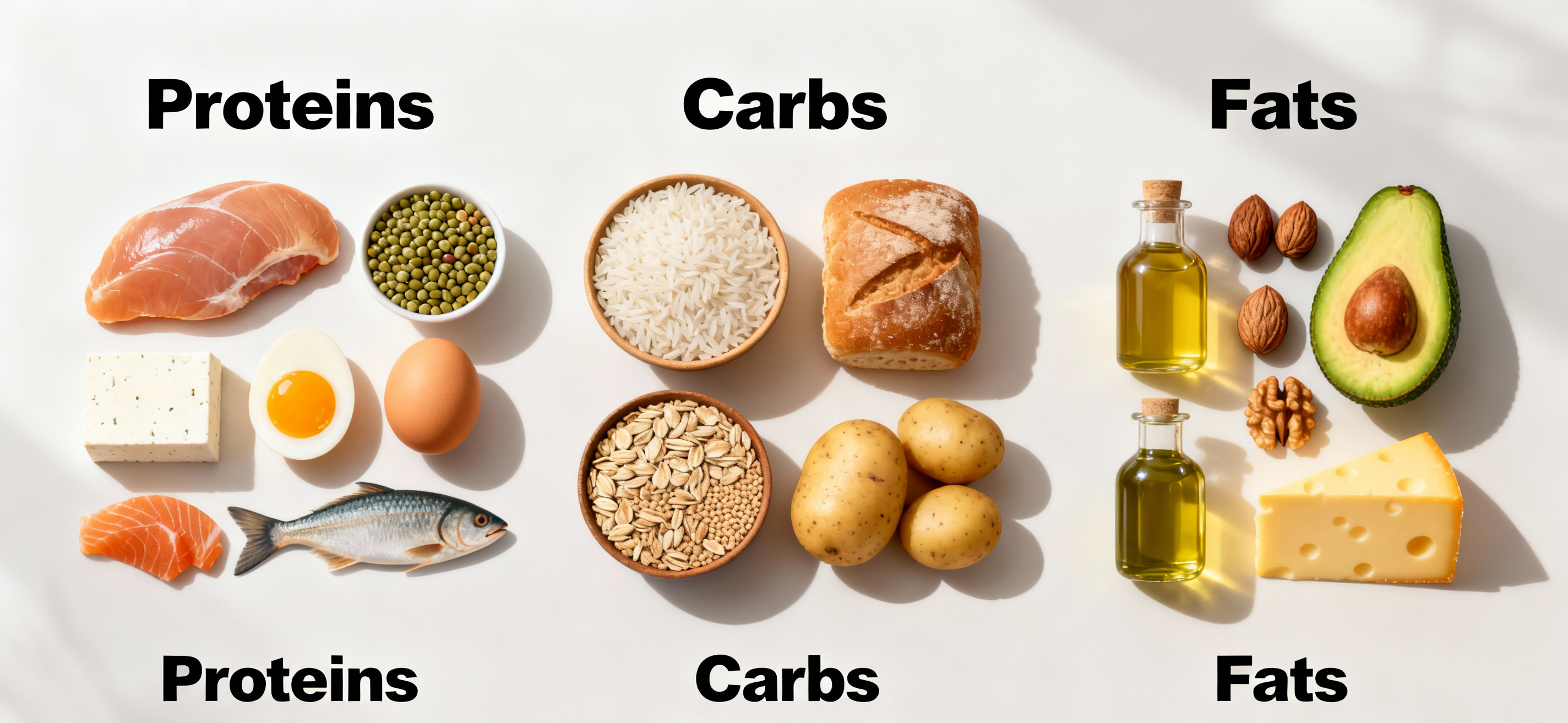
Protein is one of the three main nutrients our body needs to function properly (along with carbohydrates and fats). It is made up of building blocks called amino acids, which are like tiny beads on a necklace that link together to form protein chains. When you eat protein-rich foods, your digestive system breaks down the protein into these individual amino acids, which your body then uses for various important functions. Vegetarians sometimes feel their options are limited, but in fact there is a wide range of high‑protein vegetarian Indian meals available to them. Check out the recipes here: Savi’s Kitchen.
Why do we need Protein?
Protein plays numerous critical roles in keeping you healthy and strong:
- Growth and Repair: Protein helps build and maintain the muscles, bones, skin, hair, and all other tissues in our body. Our body is constantly breaking down proteins and rebuilding them, so we need a regular supply to keep everything functioning well.
- Weight control: Protein helps you feel full for a longer time, so you don’t feel hungry quickly. This can help you eat less and avoid unhealthy snacks, making it easier to lose weight and maintain it.
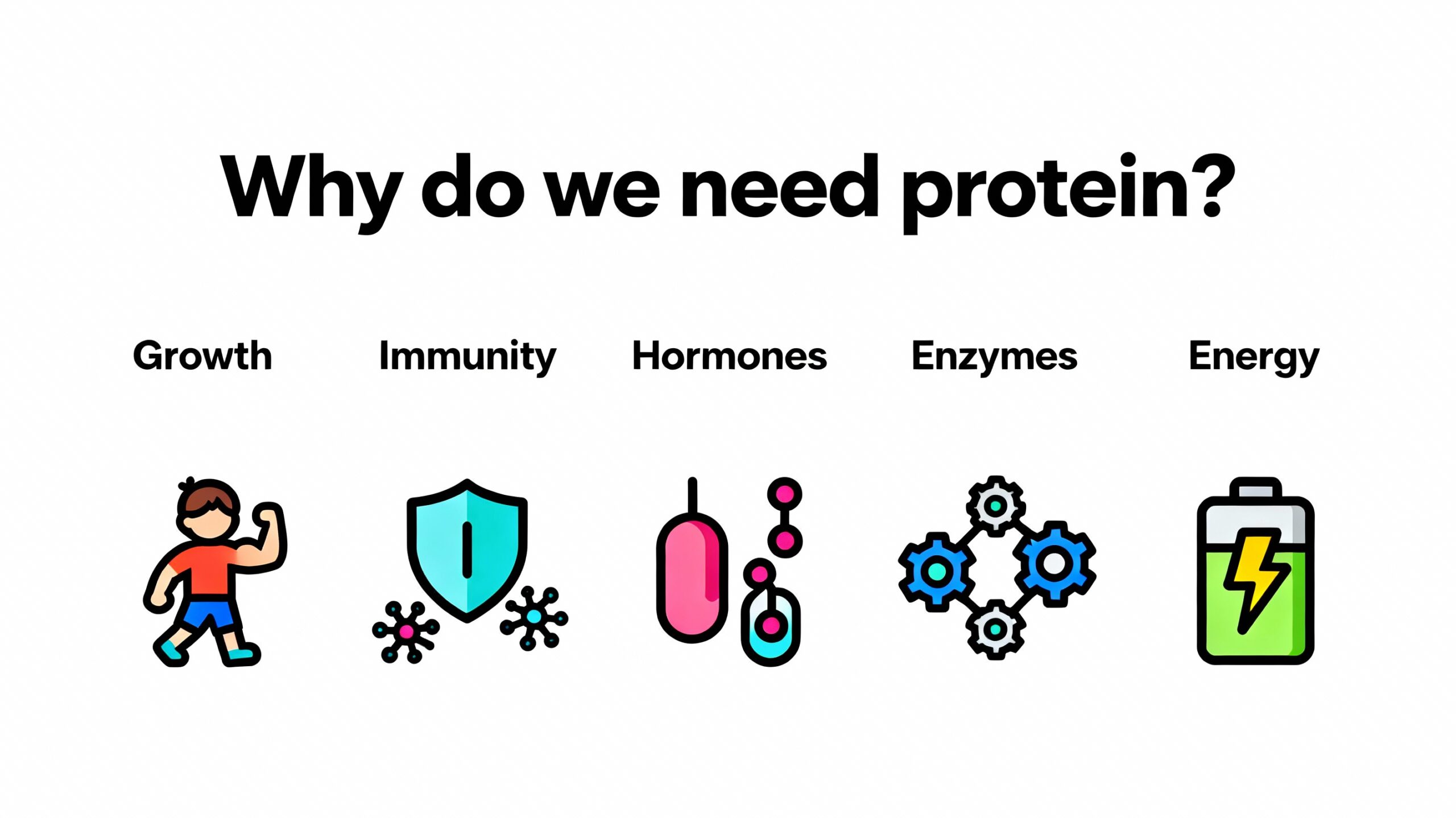
- Creating Enzymes and Hormones: Protein helps our body produce enzymes that speed up chemical reactions (like digestion and energy production) and hormones that control important processes like growth and blood sugar regulation.
- Immune System Support: Protein forms antibodies that protect your body from bacteria, viruses, and infections.
- Energy and Transportation: Protein helps transport and store essential nutrients like vitamins and minerals throughout our body, and it can even be used as an energy source when needed.
- Oxygen Transport: A protein compound in red blood cells called hemoglobin is responsible for carrying oxygen throughout the body.
- Blood Clotting and Fluid Balance: Protein keeps our body’s pH balanced and helps our blood clot properly when we get injured.
How do you tell if you are protein deficient?
Symptoms of protein deficiency may include: Hair thinning
- Faded hair color
- Hair loss
- Brittle nails
- Flaky skin
- Depigmentation
- Increased appetite
- Sluggish metabolism
- Trouble losing weight
- Weakness and fatigue
- Loss of muscle mass
- Increased risk of bone fractures
- Hunger
How Much Protein Should You Eat Daily?
The amount of protein you need depends on your age, activity level, and overall health.
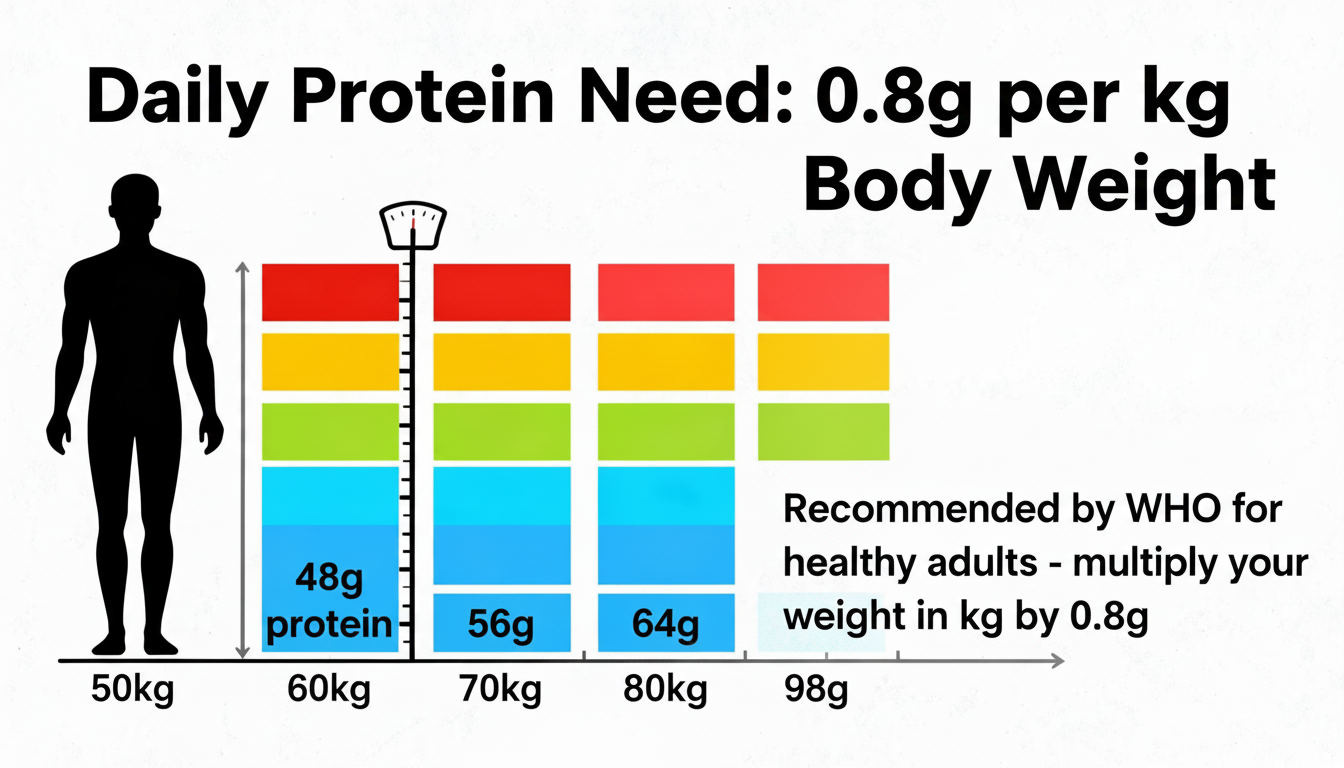
For Average Adults: The basic recommendation is 0.8 grams of protein per kilogram of body weight (or about 0.36 grams per pound). This means: A person weighing 70 kg needs about 56 grams per day.
For Active People: If you exercise regularly, especially strength training or sports, you need more protein—about 1.2 to 2 grams per kilogram of body weight per day.
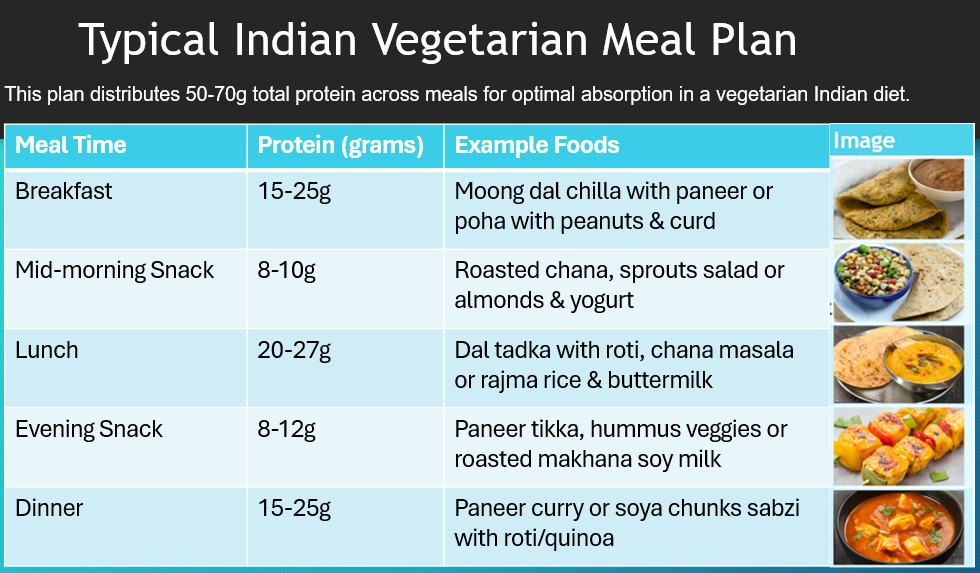
Spreading It Throughout the Day: Rather than eating all your protein in one meal, try to spread it across 3-4 meals. Experts generally recommend about 15-30 grams of protein per meal, starting with at least 15-25 grams at breakfast. Your body can not use so much protein at one time, so spacing it out helps maximize the benefits. Here is the example of the typical Indian vegetarian meal plan:
Food Sources of Protein:
Vegetarian protein sources: (one oz is 28 grams)
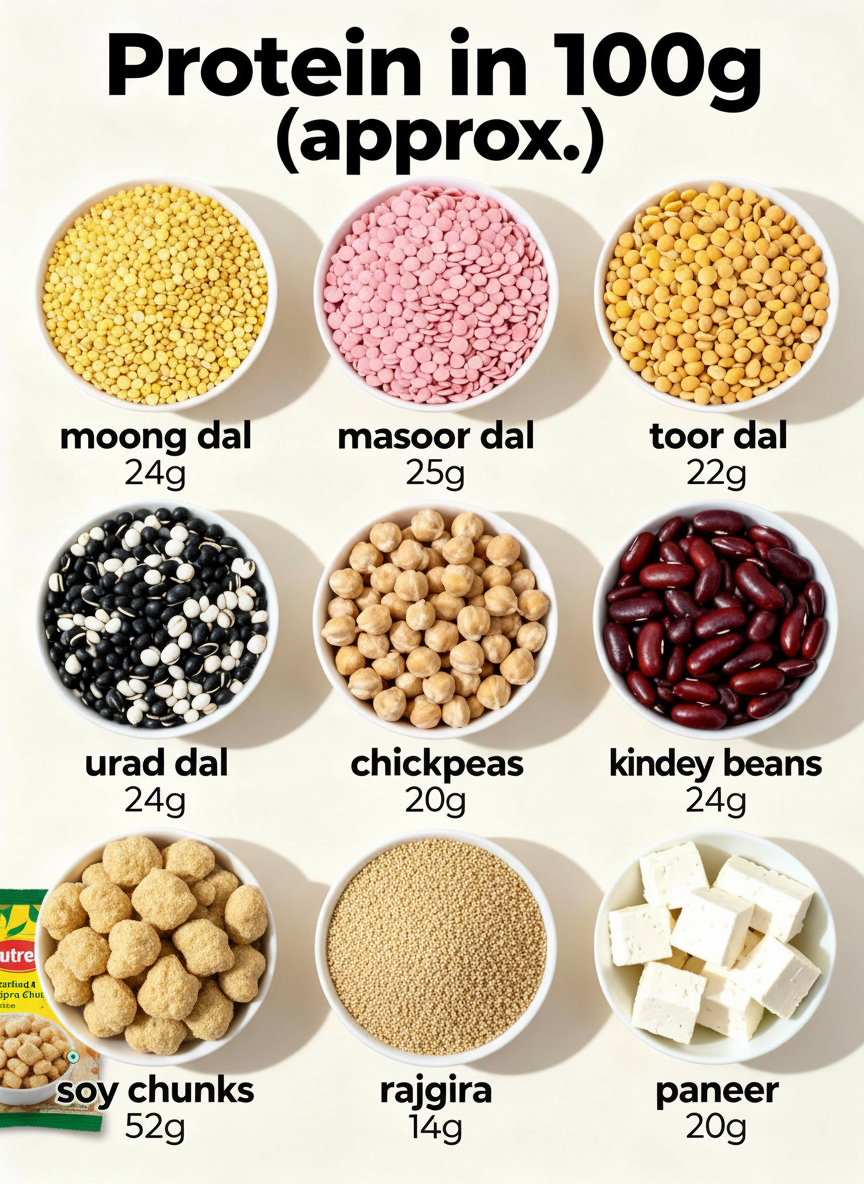
- Moong dal: 24g per 100 grams
- Masoor dal: 25g per 100 grams
- Toor dal: 22g per 100 grams
- Urad dal: 24g per 100 grams
- Chickpea: 20g per 100 grams
- Black chickpea (Kala chana): 21g per 100 grams
- Kidney beans (Rajma): 24g per 100 grams
- Soy chunks (Nutrela): 52g per 100 grams
- Amaranth (Rajgira): 14g per 100 grams
- Paneer: 20g per 100 grams
- Horse gram (Kulith): 22g per 100 grams
- Green peas: 5g per 100 grams
- Oats: 13g per 100 grams
- Quinoa: 14g per 100 grams
- Milk: 8 grams per 1 cup cow’s milk
- Yogurt: 4-5 grams of protein per 100 grams
- Hemp seeds (9-10g per oz)
- Pumpkin seeds (7-10g per oz)
- Peanuts (7-8g per oz)
- Almonds (6g per oz)
- Pistachios (6g per oz)
- Sunflower seeds (6g per oz)
- Flax seeds (5g per oz)
- Sesame seeds (5g per oz)
- Chia seeds (5g per oz)
- Cashews (5g per oz)
- Walnuts (4g per oz)
- Brazil nuts (4g per oz)
- Broccoli: 2.8-4.4g per 100g
- Spinach: 2.9g per 100g
- Brussels sprouts: 2.6-3.4g per 100g
- Mushrooms: 3.6-6.2g per 100g
- Asparagus: 2.4g per 100g
- Artichokes: 3.3g per 100g
- Corn: 4.2g per 100g
- Cauliflower: 2g per 100g
- Lima beans: 3.2g per 100g
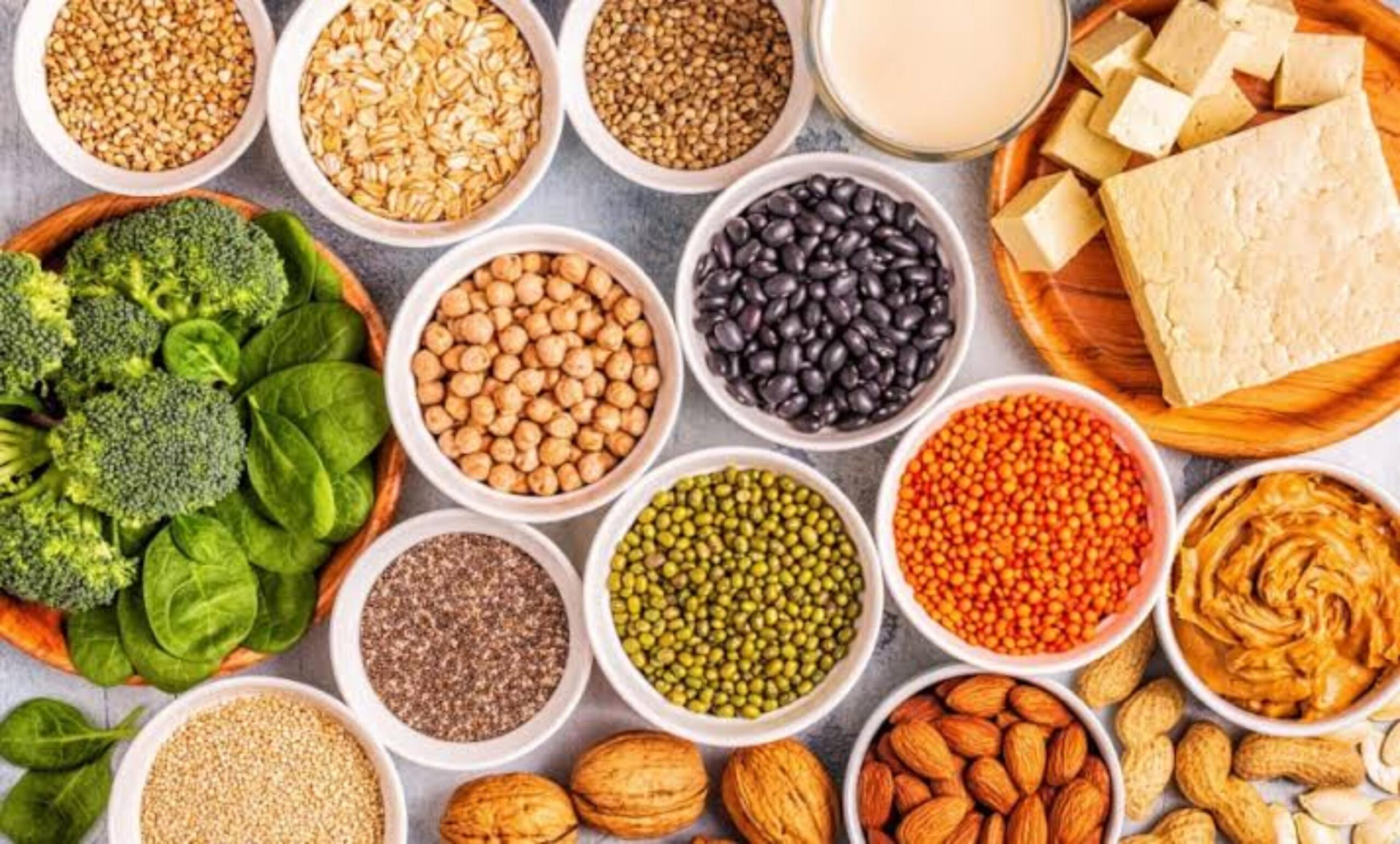
Millets are a good plant-based protein source, but they are not complete proteins on their own. To get all essential amino acids, pair millets with legumes (for example, a 3:1 millet-to-legume mix). Processing like soaking, sprouting, or fermenting can boost protein digestibility and reduce anti-nutrients. Click here to read about millets: Millets: A Nutritious Ancient Grain.
Non vegetarian food Sources of Protein:
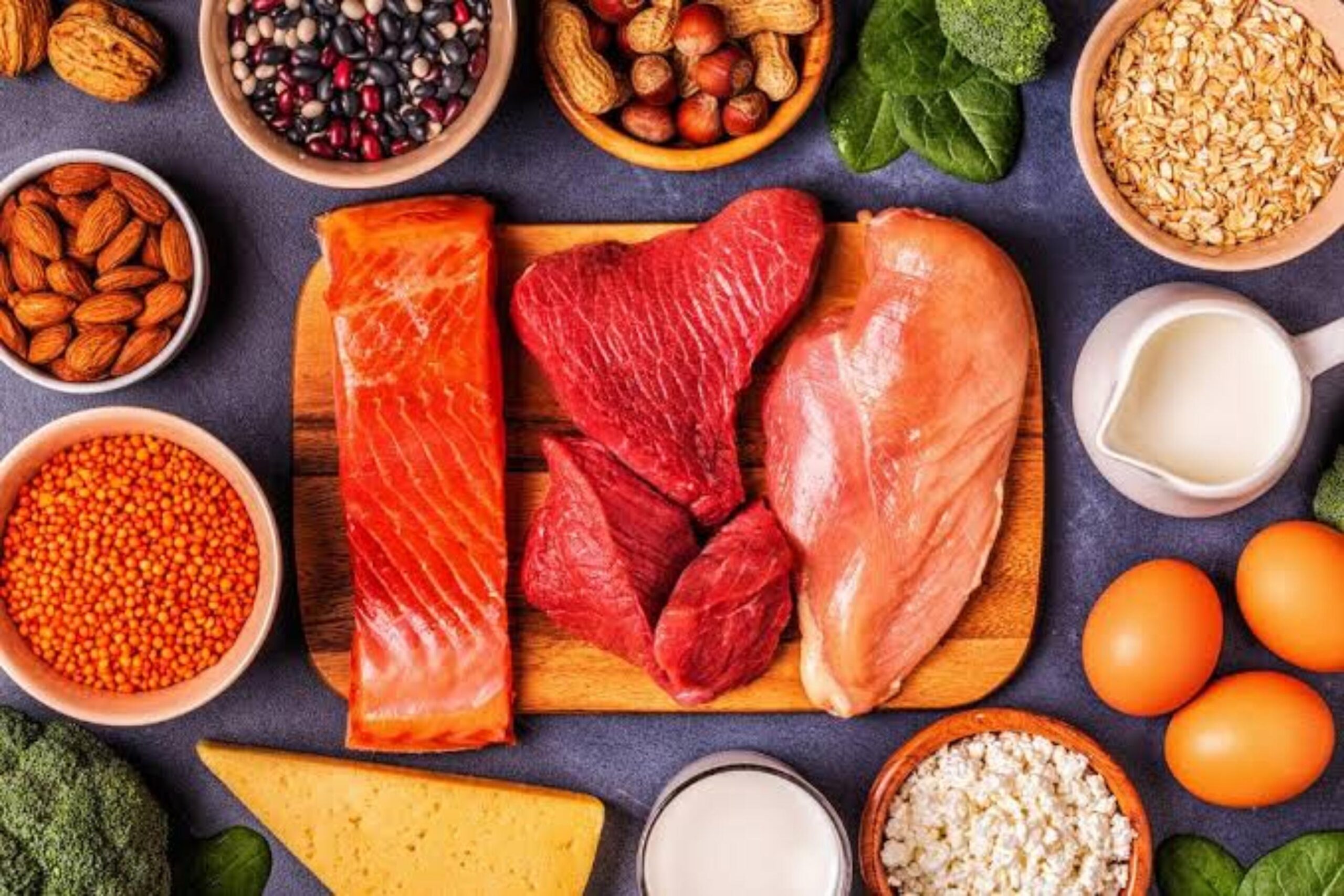
- Chicken Breast: 30-32g protein per 100g (cooked)
- Ground Chicken: 22-24g protein per 100g
- Beef Steak: 28-30g protein per 100g
- Lean Ground Beef: 25-27g protein per 100g
- White Fish (flounder, sole, tilapia): 23-27g protein per 100g
- Sea Bass: 24-26g protein per 100g
- Salmon: Excellent source with additional healthy omega-3 fats
- Eggs: 12g protein per 2 large eggs
Who Needs Protein Supplements?
Protein supplements (powders, shakes, drinks, bars etc): The supplements can be useful for the individuals who struggle to meet their daily protein needs through whole foods like athletes, the elderly, people with low appetite, and people recovering from surgery.
- People should get sufficient protein from the food.
- Remember, the protein supplements are not a replacement for a healthy diet.
- When whole foods are not enough, supplements can help you meet your protein goals conveniently.
- Long term effects of high protein intake from supplements are not known clearly.
- Some protein supplements have added sugars, heavy metals, BPA (which is used to make plastic), chemicals which can be linked to cancer. Hence, use them wisely and use only if needed.
Protein supplements:
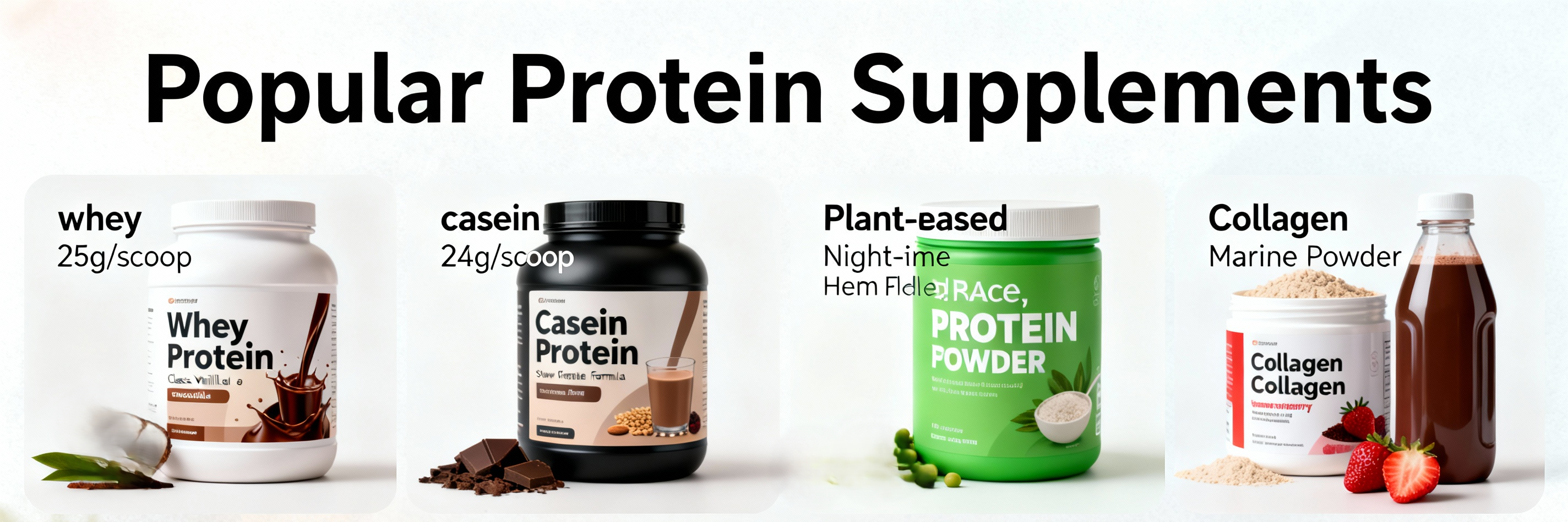
Protein supplements available in the market come in various forms. These supplements provide concentrated protein to help meet daily intake goals and support fitness, recovery, and overall health.
Common types include:
- Whey protein, which is quickly absorbed and popular for muscle building;
- Casein protein, which digests slowly and is often taken before bed;
- Plant-based proteins made from peas, soy, or rice, suitable for vegetarians and vegans.
- Collagen powder is also available, supporting skin and joint health.
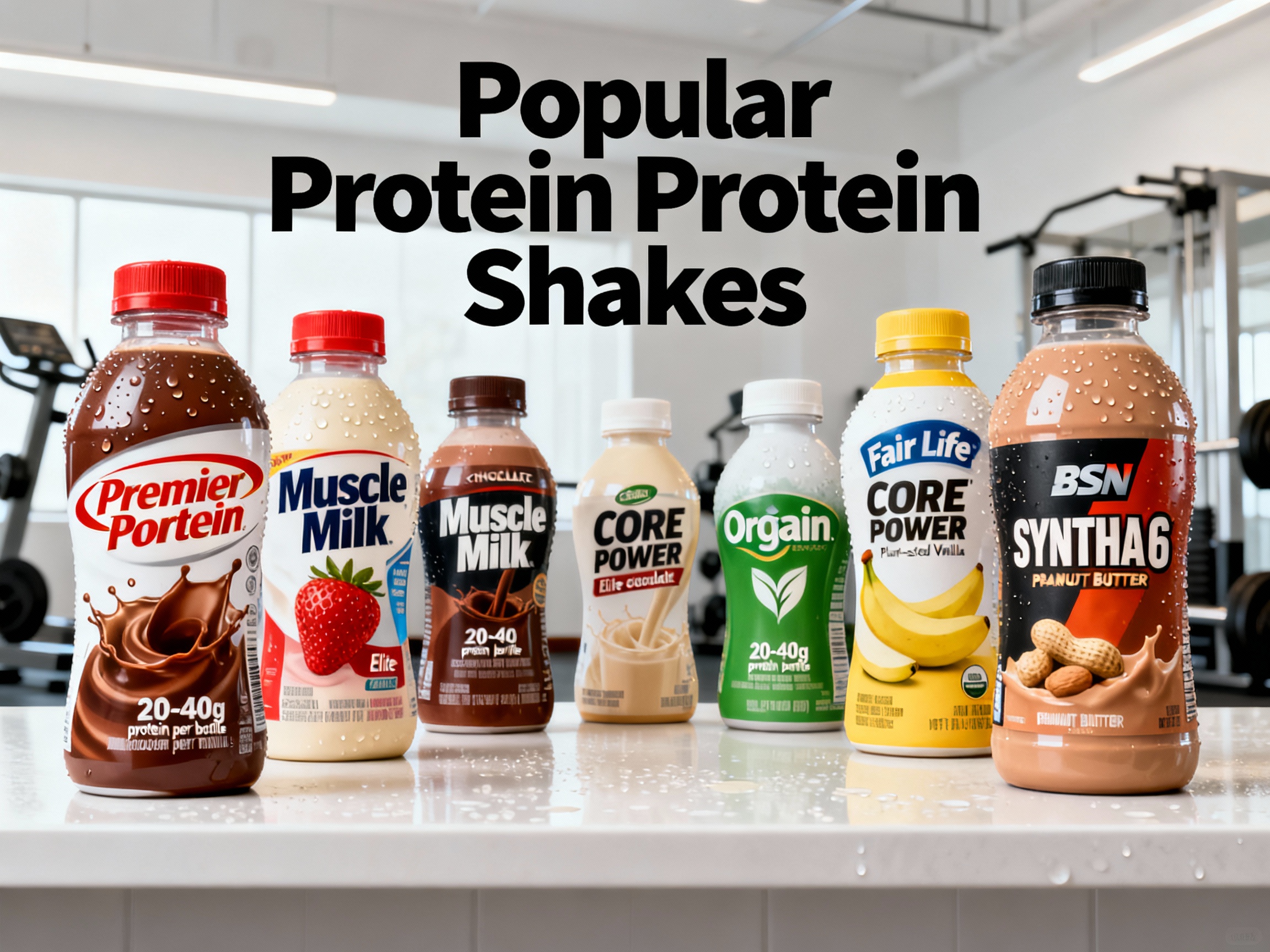
- Protein bars and ready-to-drink shakes offer convenient options for on-the-go nutrition.
What Happens If You Eat Too Much Protein?
Potential Health Risks: Healthy adults need 0.8 grams of protein per kilogram of body weight daily. Intakes up to 2 grams per kilogram is typically safe for most people without kidney issues. Consuming more than 2.5 g of protein per kg of body weight can increase the risk of:
- Weight Gain: Your body stores excess protein as fat. If you consume more calories than you burn, even from protein, you’ll gain weight over time. High-protein diets may initially lead to weight loss, but excess protein gets converted to sugar and stored as fat.
- Kidney Stress: There is no evidence that a high protein diet harms kidney function in people without kidney disease. If you have kidney disease, high protein intake can cause problems.
- Digestive Issues: Common side effects include constipation, diarrhea, nausea, stomach cramping, bloating, and reduced appetite. These are especially likely if you consume high-protein diets low in fiber.
- Increased Cancer Risk: Diets very high in red and processed meat have been linked to higher risks of colorectal, breast, and prostate cancer. However, protein from other sources like fish, poultry, and plant-based foods shows no such association.
- Other Possible Problems: Excessive protein may cause dehydration, acne, tiredness, headaches, and in extreme cases, can stress the liver.
Take home points:
Protein is essential for body health.
Most people meet needs with whole foods (vegetarians and non-vegetarians).
Supplements help during intense exercise or busy days.
Spread protein across the day. Aim for 15-30g protein per meal.
Avoid too much protein.
Excess offers no benefits and harms health.
Choose varied food sources.
Pair plant proteins with grains for complete nutrition.
Nice article Savi. 👌
Khoob chhan mahiti aahe
Nice informative article 👍